
Linghacks was the first Hackathon I have ever attended before and it was a blast. Before going I was worried about many different things such as where I was going to sleep, what my teammates would think of me? and what I was going to do there. I got to the Hackathon at around 9 AM and when I went inside it looked like the perfect environment for coding. There were Macs setup on every desk for us to code on and there was even a quiet room to have our team discussions. Overall the vibe inside was great
The Hackathon started around 10:30 AM with a quick speech from our mentors and event organizers about general things at an overnight Hackathon such as food, workshops, and a place to sleep. By 11:00 AM my friend and I went to the team mixer in order to find a team of 4. Once we found the two other people (who we have never met before) for our team we got started on our program. First, there was a debate in the team of what the idea of the project would be. According to Linghacks our software had to be based on computational linguistics. There were many useful workshops you could attend in the Hackathon to get a simple tutorial on how to implement computational linguistic libraries in python and how to use them. We attended a couple of them and finally as a team we had decided what our idea would be. A Python voice recognition dictionary was going to be the plan. When work on the project first started there were many many challenges. The first one we faced was how we were all going to work in the same editor. After some online research, we had a perfect solution, Atom. We had some initial success with Atom but then another challenge arose. There we security issues on the Macs we were using meaning we couldn’t download the Python libraries we needed so then we had to think of another way to make our idea a reality
The Next idea some of my teammates had was to build a website that performed the same features using Javascript. Complications with installing JS libraries arose again meaning we had to switch back to Python. Around 12:30 PM was lunch so my group and I had a small break and during that time we discussed our team dynamic and got to know each other better. I already knew my original partner as a friend from school so his skill set was clear to me. The other two new partners who I haven’t met before didn’t really know how to program so my original partner and I faced the challenge of teaching our group members while working on the project. After lunch, we went back to work. Now we started using Cloud9 which is text-editor based in the cloud. We had some initial breakthroughs with the editor such as installing some of the Python libraries we needed but there was yet again another challenge we faced. The last library we needed for our project was not supported by Cloud9 so we did some research on some alternatives. We found some but they couldn’t install properly on Cloud9. We were successfully able to install the libraries PyDictionary and Speech Recognition but the library we needed for SpeechRecogntion wasn’t installed successfully. That library was called PyAudio.
Dinner rolled around at 6:00 PM and nothing much really happened there but when we came back to working our lunch would begin to turn around. Instead of using the Macs we decided to work on one computer. One of my group members had apparently already installed Python and all the libraries we needed beforehand and didn’t even tell us. Once he told us the rest of our group was so excited because of that. We finally began to really program around 7:00 PM. My original partner and I began to work on the programming meanwhile the other two people in our group researched on the API’s we were using and told us what functions can be called with the API which was very helpful while adding multiple features to our program later on. “We really got better after every meal” as quoted by my original partner. That quote really motivated us to keep pushing forward. Around 9:00 PM our voice recognition started to work. Around 12:00 AM our first feature was finished. The first feature we made would allow the user to say a word using a microphone and then our program would convert sound to string then search for it in our Dictionary API then print out the definition of the word. The next two features our group wanted to implement was Synonyms and Antonyms
Nothing much happened between 12:00 AM and 2:00 AM. It was just mainly research between that time period. at 2:30 AM 2 of my group members would go to bed because they were tired. Only my original partner and I were still awake. We told our other teammates that we would wake them up at 5:30 AM. When they were sleeping the two of us got coffee and then we started grinding hardcore. within two hours my partner and I finished the Antonyms and Synonyms feature. This feature would print the Synonyms and Antonyms of the given word along with word’s definition. Our main goals for the program were accomplished around 4:30 AM. We still had about 4.5 hours before judging started so we wanted to add another feature. That new feature would give the user the option to translate the given word to Spanish, French, Italian or none. We needed a new API for this so we download the GoogleTranslate library onto the computer. At first, while reading the library’s documentation the example code they gave us was very confusing. We didn’t understand what ‘eu’ or ‘fr’ meant until we further researched online. Apparently, they were acronyms for different world languages. There was even a list of acronyms that the external website gave us. It allowed us to easily implement the translation feature onto our project.
Around 5:30 AM our other teammates woke up and we began testing whether our program works efficiently or inconsistently. After about 2 hours of testing, I was pretty tired so I dozed off around 8:30 AM. Around 9:30 AM I woke up in time for judging. During the judging, we gave 4 different judges many demos to show all the features of our application. We also explained to them that is voice recognition dictionary could be used by people without arms to type or just pure lazy people who want things to be easy. After judging ended awards were given out and we sadly didn’t place in the top 10 but that’s fine. It was the first Hackathon for all of us in the group. It was a blast and gave us some exposure as to how offices or workplaces are when they are running a deadline with a project.
Practical Skills picked up at Linghacks: Working in Python Audio and Dictionary libraries. I also learned a bit of machine learning here
Other Skills improved at Linghacks: Working as a team effectively without knowing two of the people in our group from before Linghacks and being able to successfully pitch a product.
Our Project: https://github.com/ThePro11Coder/LingHacks2019
Video Demo (set quality at 1080p): https://drive.google.com/file/d/1T-5lE7s_RlUMEu73FTFCGHqZcCJZLJ4Z/view?usp=sharing
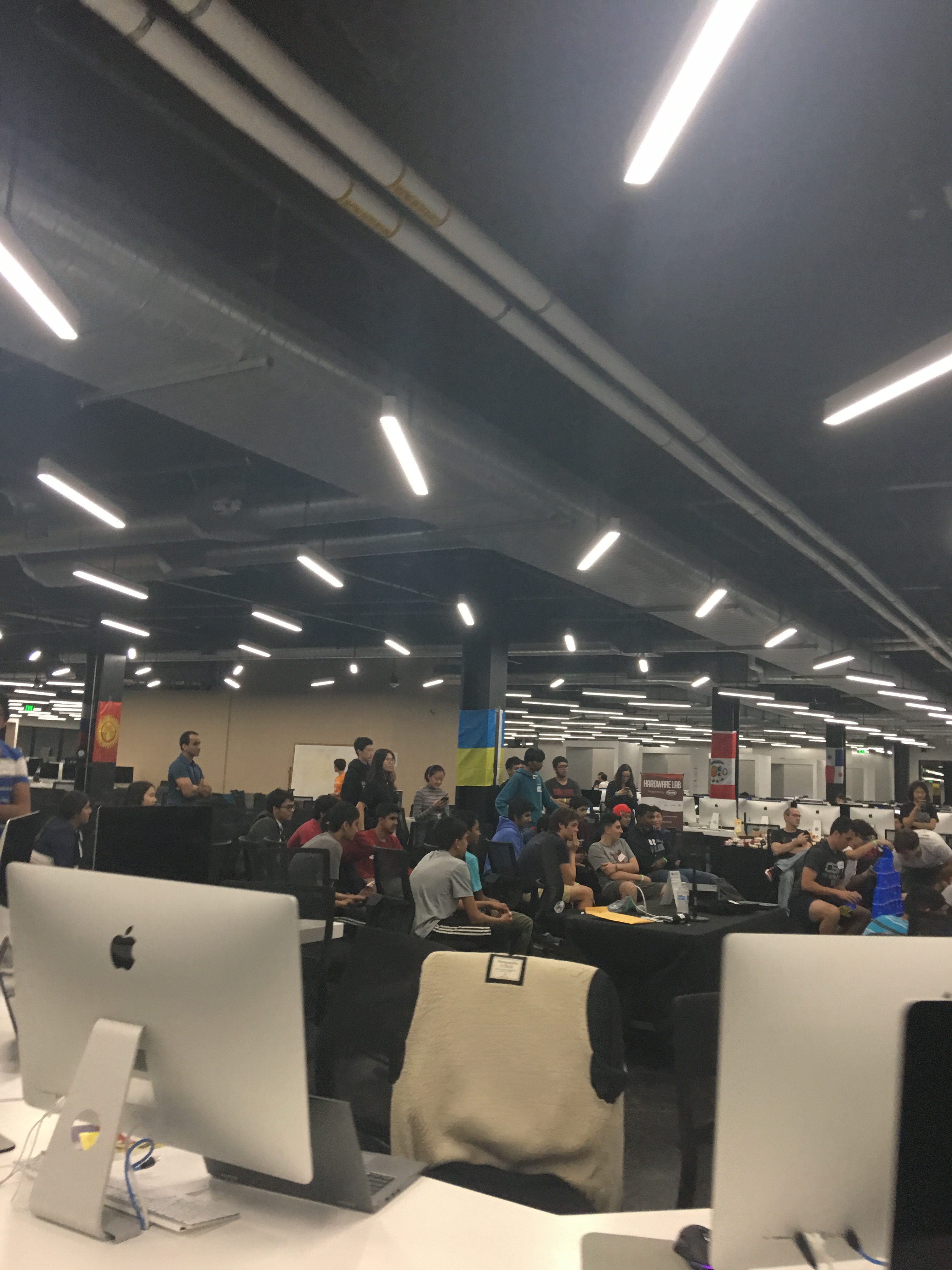
Linghacks Opening Ceremony 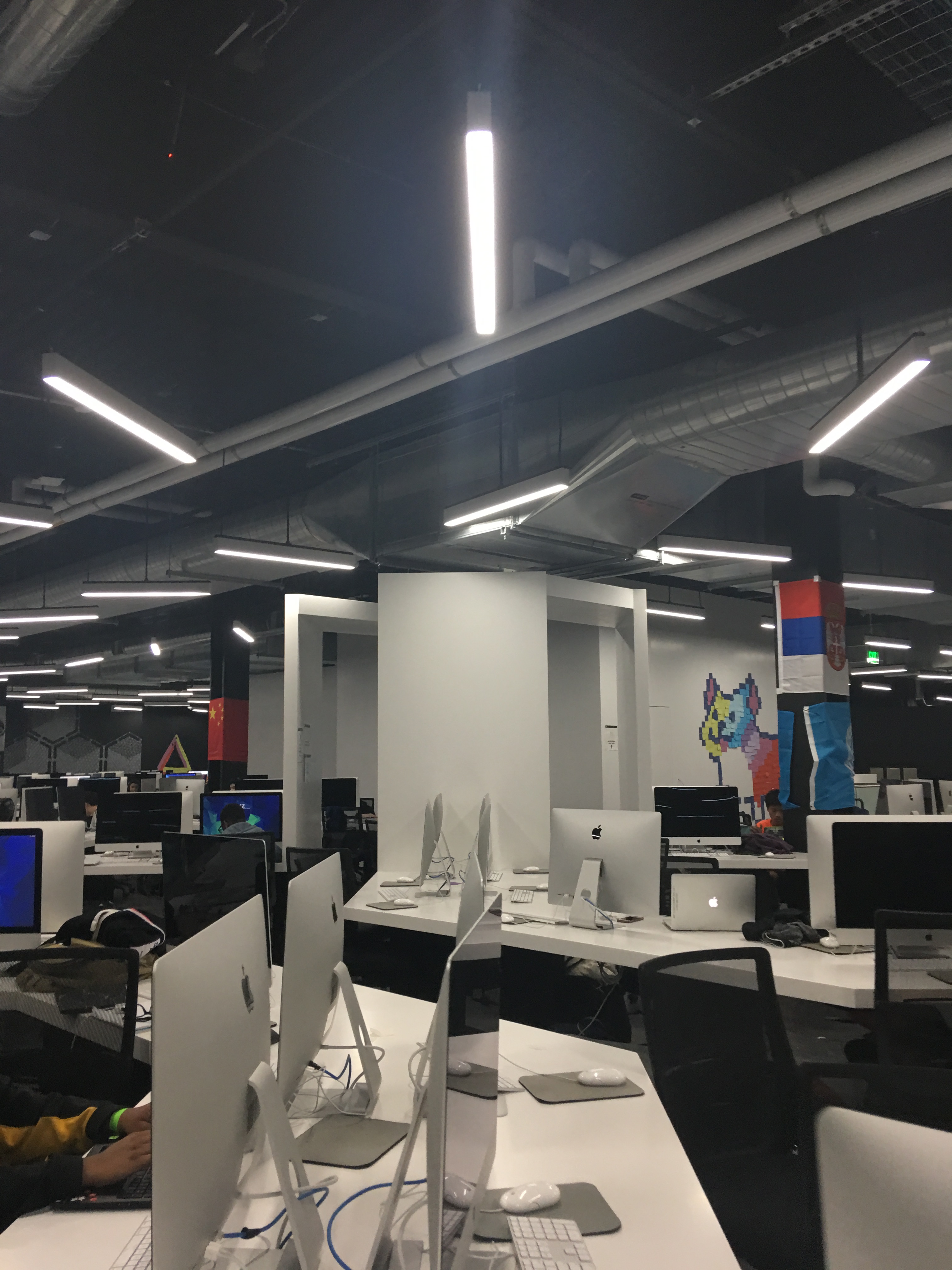
Linghacks at night 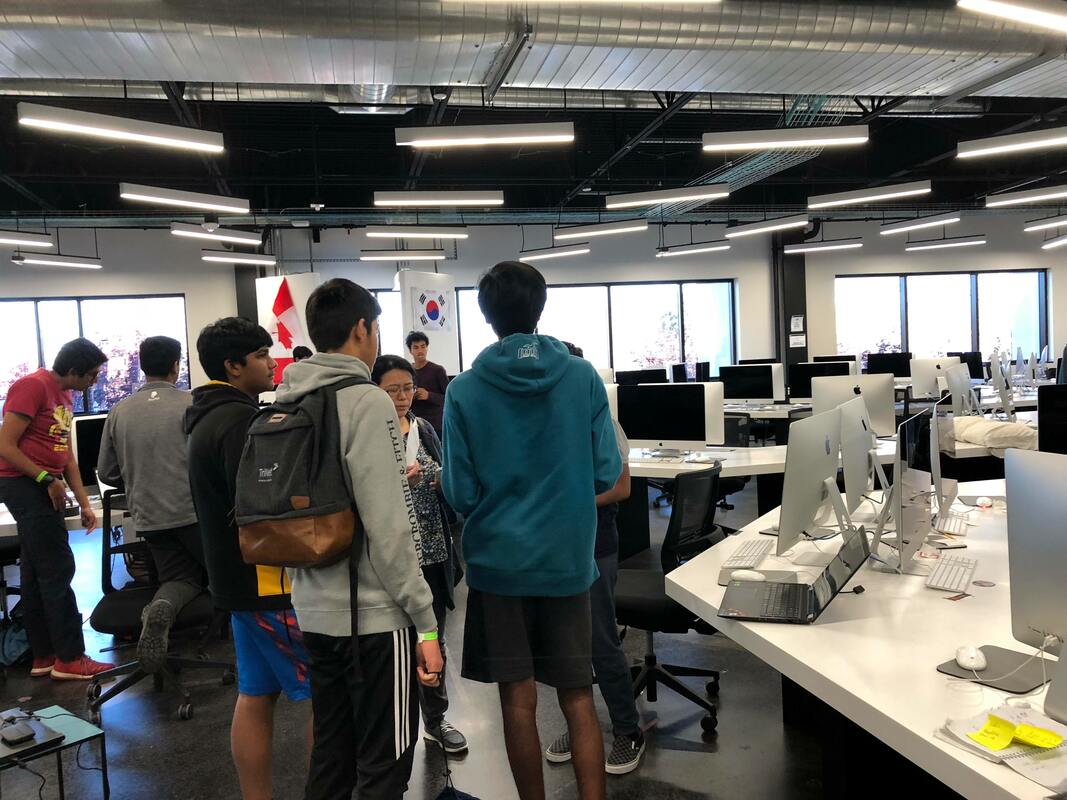
My group (you can’t see me because my blue hoodie teammate is covering my body)
 Mukul's Blog